


A Global Spectacle in a High-Risk Environment: Why the World Cup Should Never Be Hosted Where Organised Crime and Violence Is Entrenched.
Updated: Apr 13

Should the World Cup be hosted in Mexico this year?
Absolutely not.
The Mexican Tourist Board won’t be sending me a thank-you note for this, but I’ve never written for applause. I write about risk. I write about exposure. And I write about what people don’t want to hear — especially when money, politics, and prestige are involved.
The killing of Nemesio Oseguera Cervantes, widely known as "El Mencho", has once again ignited volatility across parts of Mexico. Violence. Retaliation. Power shifts. When cartel leadership is removed, history tells us that instability and violence follows.
But here’s the truth.
Even if this latest event hadn’t happened, Mexico would still present a high-risk operating environment for a mass global event.
And that’s the part people don’t like acknowledging.
I Say This as Someone Who Loves Football
I grew up in England. Football wasn’t just a sport — it was and still is a culture, an identity, a rhythm. I learned to kick a ball before I could form full sentences. Weekends revolved around fixtures. Floodlights, terraces, chants. That love hasn’t faded.
Which is precisely why this is difficult to say.
The FIFA World Cup should not be hosted in Mexico this year.
Not because Mexico lacks beauty. It doesn’t. The country has extraordinary culture, food, history, and hospitality. There are places in Mexico that are breathtaking.
But beauty and risk can coexist.
And risk at scale is what matters here.
This Isn’t About One Assassination
People will say:
“Let’s wait and see if things calm down.”
That mindset fundamentally misunderstands the environment.
Mexico’s risk profile is not tied to one man. It is structural.
Cartel fragmentation. Territorial control battles. Localised corruption. Street-level crime. Kidnapping for ransom. Express kidnappings. Targeted violence. Collateral damage.
Those dynamics do not disappear because the news cycle moves on.
I lived in Mexico for 18 months. Not as a tourist. Embedded. Working. Observing. Navigating the realities on the ground. I've also visited many times with clients, for both recreational and business purposes.
I’ve sat at dinner half a mile from an assassination of a major Cartel leader.
I’ve watched entire neighbourhoods change operational posture overnight.
I’ve seen how quickly “normal” can turn.
So when people tell me, “It’ll be fine by June,” I don’t share their optimism.
Mass Gatherings Change the Equation
A World Cup isn’t a standard travel flow.
It’s millions of fans.
High-profile athletes.
Global media.
Corporate sponsors.
Heads of state.
Ultra-visible schedules.
Mass gatherings amplify exposure.
They create predictability.
Predictability creates opportunity — not just for legitimate business, but for criminal networks.
Cartels don’t need to attack a stadium to create impact. They don’t need a geopolitical statement. Opportunistic crime, targeted kidnappings, robberies around high-density tourist zones — that’s enough to create headlines and chaos.
And once the narrative shifts, it’s too late.
“But It’s Been Planned for Years”
Exactly.
Which makes the selection baffling.
This decision was made long before the most recent escalation, yes. But Mexico’s security landscape has been complex for decades. This isn’t new information.
Was it driven by commercial interests?
Broadcast markets?
Political relationships?
Probably.
Major global sporting events are rarely chosen purely on security stability.
And yet, the fans are the ones who assume the risk.
Time Is Running Out
We’re almost in March.
The tournament begins in June.
Operational decisions of this magnitude can’t be made at the last minute without enormous financial consequences. Sponsors, infrastructure, ticketing, broadcast rights — billions are involved.
So my question then is:
At what point does financial exposure outweigh physical exposure?
If contingency planning means relocating to another Latin American nation — Argentina — yes, it would be disruptive. Yes, travel routes would change. But Argentina does not operate under the same cartel-driven structural violence model that Mexico does. And when you are hosting the single most visible sporting event on earth, marginal differences in baseline risk matter enormously.
This Isn’t Fearmongering. It’s Risk Assessment.
There is a difference between loving a country and ignoring its challenges.
Mexico is not a war zone in the way people imagine conflict areas. Millions of people live, work, and raise families there every day. But large-scale international sporting events change the operating environment.
When you add:
Elevated cartel tension
A history of kidnapping
Organised crime networks with global reach
Corruption vulnerabilities
Massive predictable crowd flows
You are increasing the surface area of exposure.
That is not opinion. That is pattern recognition.
If It Proceeds Anyway
And let’s be honest — it probably will.
Then fans, teams, sponsors, and corporate delegations need to think differently.
This is not a “book a hotel and turn up” environment.
It requires:
Pre-travel intelligence reviews
Secure transport planning
Accommodation vetting
Movement discipline
Social media restraint
On-the-ground protective advisory support
Hope is not a strategy.
Football Deserves Better Than Politics and Profit
I love the game.
But loving football doesn’t mean suspending judgment.
If this tournament goes ahead in Mexico under current conditions, it will be because commercial commitments outweighed security hesitation.
And if nothing happens, people will say the concerns were overblown. But in risk work, success is often invisible.
You don’t judge decisions based solely on outcome. You judge them based on exposure at the time the decision was made.
Right now?
The exposure is high.
And pretending otherwise doesn’t make it safer.
___
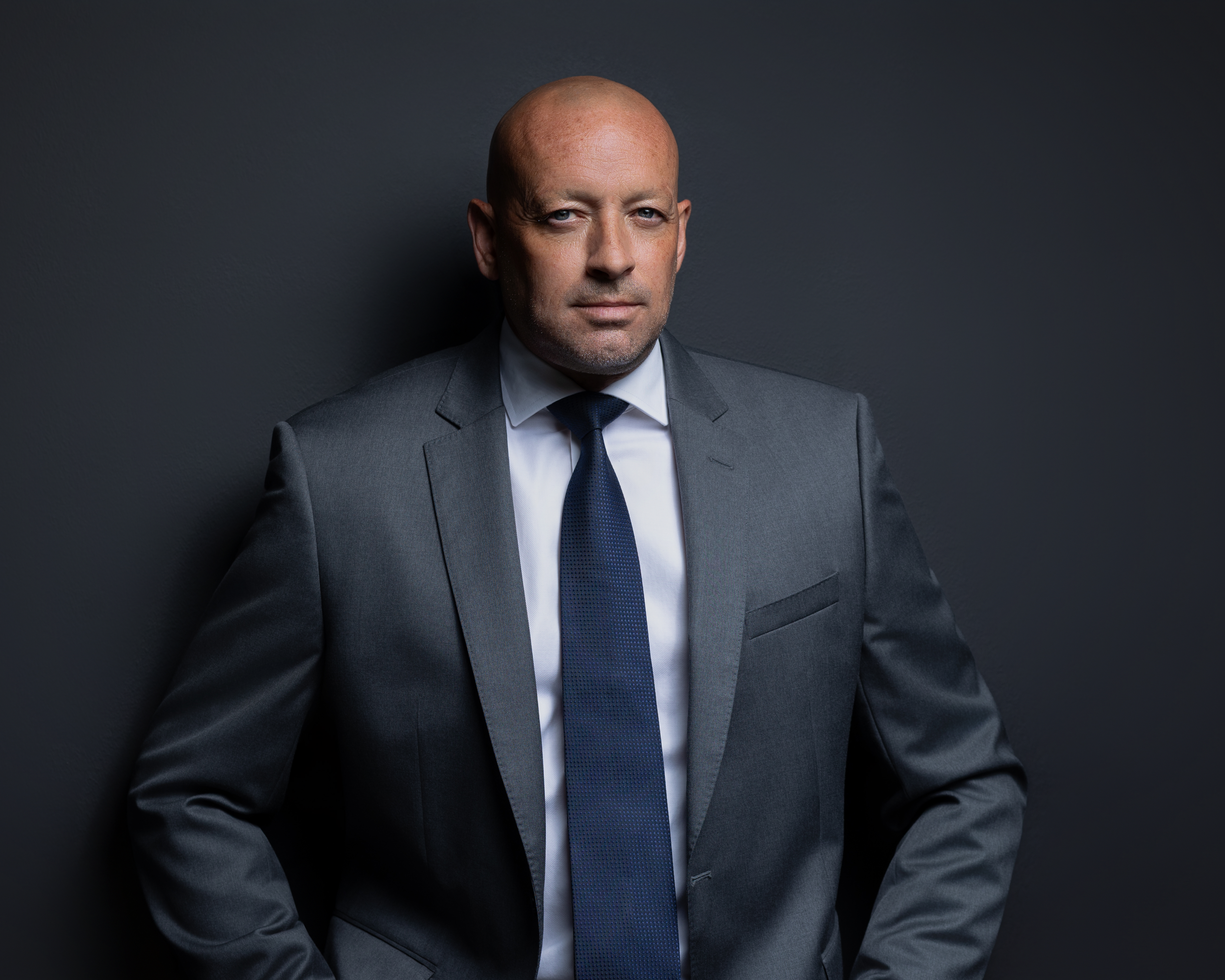
Glen Burton
Founder & Principal
For confidential enquiries, or to learn more about how Ascot Privé can support you, your family, or your organisation, please contact:
New York: (+1) 646 499 3680
Palm Beach: (+1) 561 652 0651
Ascot Privé Group is a private advisory firm. This publication sits within the firm’s Protective Advisory practice, focused on protective strategy and global movement. With offices in New York and Palm Beach, we advise families, private offices, and high-profile individuals on residence, travel, and event-related exposure — providing trusted counsel and discreet oversight shaped by decades of international experience.


